Introduction
In a world where emergency situations can strike at any moment, the capability to react properly can indicate the distinction between life and death. For numerous, the thought of encountering a clinical emergency situation produces sensations of stress and anxiety and uncertainty. Nonetheless, I located that registering in a first help course changed my perspective totally. This article narrates my individual trip of structure self-confidence through first aid training, focusing on how discovering abilities such as mouth-to-mouth resuscitation not just equipped me to handle emergency situations but also instilled a newfound feeling of confidence.
Understanding the Importance of Emergency Treatment Training
Why Is First Aid Essential?
First aid is often the very first action to a medical emergency situation prior to specialist aid arrives. It includes different techniques targeted at protecting life, preventing degeneration, and promoting recovery. However why should every person take into consideration taking a first aid and CPR course?
Immediate Reaction: In scenarios like heart attack, every second matters. Understanding CPR can save lives. Empowerment: The expertise acquired from first aid training equips people to act confidently throughout emergencies. Community Safety and security: Trained individuals can add positively to their neighborhoods by offering instant assistance.My First Hesitation
When I initially contemplated registering in a CPR course, I felt reluctant. Could I truly handle the gravity of real-life emergencies? Suppose I made mistakes? These questions pestered my mind, yet they additionally inspired me to seek answers via training.
The First Steps: Enrolling in an Emergency Treatment Course
Choosing the Right Course
Selecting a proper first aid course is vital for getting pertinent skills. Right here's what you should take into consideration:
- Certification: Make certain the program offers a recognized certification upon completion. Curriculum: Testimonial topics covered-- from basic first aid to advanced mouth-to-mouth resuscitation techniques. Instructor Certifications: Search for knowledgeable teachers with reliable backgrounds.
I at some point picked a trusted company offering comprehensive training that included both theoretical knowledge and practical sessions.
Preparing for Class
As I got ready for my first-rate, I experienced mixed feelings. Exhilaration danced with apprehension as I considered what lay ahead.
Gathering Materials: I put together necessary materials like notebooks and pens but additionally left area for an open mind. Setting Objectives: My key goal was simple: finish the program feeling confident in my abilities.The Training course Experience: Knowing Life-Saving Skills
Engaging Theory Sessions
The initial days were spent engaged in involving theoretical conversations concerning emergency procedures and human makeup related to first aid practices.
Key Topics Covered:
- Basic Life Assistance (BLS) How to utilize an Automated External Defibrillator (AED) Responding to choking incidents Recognizing signs of stroke or heart attack
These sessions laid the groundwork for comprehending what we would certainly later practice hands-on.
Practical Hands-On Training
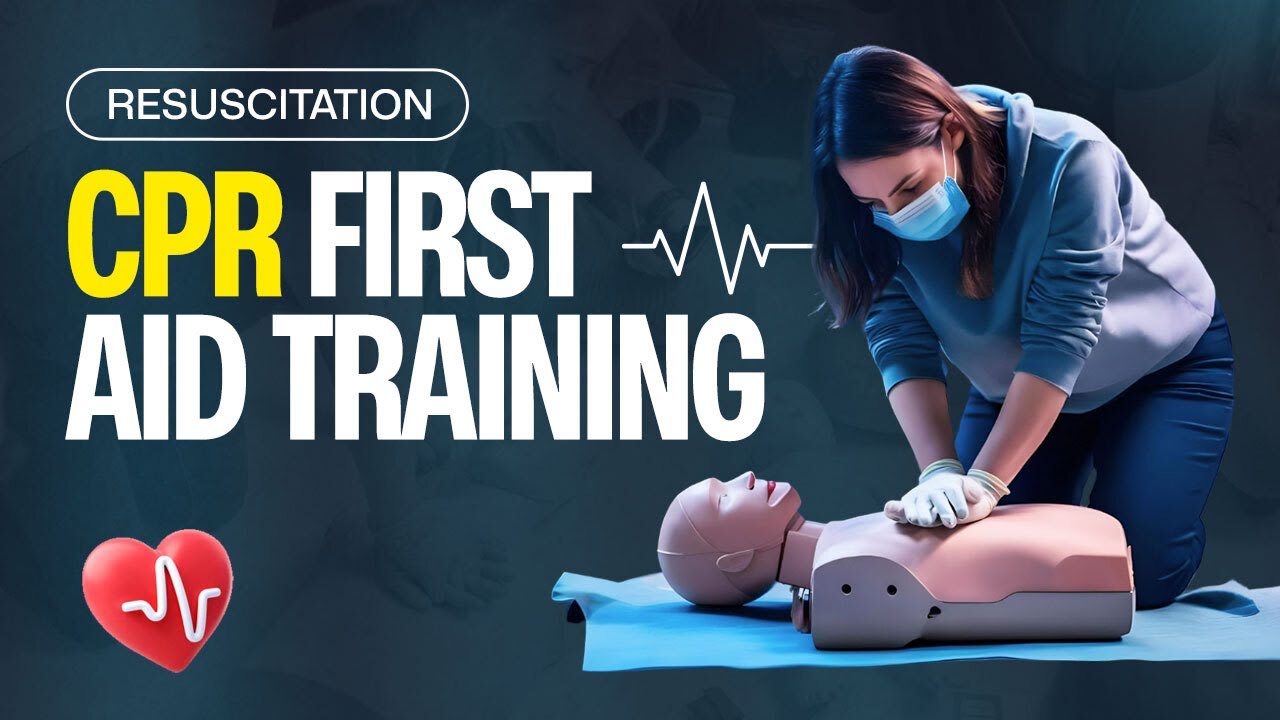
Nothing compared to the thrill of exercising CPR methods on manikins or simulating emergency situation situations with classmates.
Learning Compression Strategies: With every press, my confidence grew as I grasped breast compressions. Using AEDs: The teacher showed exactly how simple it is to use computerized defibrillators, enhancing that anyone can step up in emergency situations with appropriate training.Building Confidence With Real-Life Scenarios
Simulation Drills: Encountering Concerns Head-On
One of one of the most impactful aspects of my training included simulated drills designed to simulate real-life emergencies. Exactly how did these experiences shape my positive self-image?
Types of Drills:
- Responding to subconscious individuals Managing bleeding wounds Handling allergic reactions
During these drills, I frequently felt anxious yet enlivened due to the fact that every situation forced me out of my comfort zone while supplying important responses from trainers and peers alike.
Overcoming Stress and anxiety and Doubt
Initially overwhelmed by uncertainty and anxiety, each effective drill chipped away at those feelings:
Positive Reinforcement: Support from trainers aided me recognize my potential. Peer Assistance: Sharing experiences with schoolmates promoted friendship that minimized concerns concerning failure.Certification Day: A Milestone Achieved
Preparing for the Last Assessment
As we came close to accreditation day for our first help certificate, anticipation made within me-- what if I didn't pass? Actually, nerves were part of the procedure; they indicated just how much this meant to me!
Study Tips:
- Review notes thoroughly Practice abilities repeatedly Engage in group research sessions for support
With preparation behind me, it was time for analysis day-- a blend of composed tests and practical demonstrations waited for us.
Celebrating Success
I keep in mind standing pleased after receiving my emergency treatment certificate-- an acknowledgment not simply of passing yet of growth! That minute strengthened both capability in handling emergencies and belief in myself.
Applying Skills Past Training: Real-Life Applications
Volunteering Opportunities
After completing my training, I looked for methods to use what I 'd found out by volunteering with neighborhood organizations focused on area wellness initiatives.
Participating in wellness fairs allowed me ample chances to show fundamental first-aid skills. Collaborating with skilled volunteers further boosted my confidence as we tackled numerous circumstances together.Family Occasions: Being Prepared
Whether it was household gatherings or outdoor adventures, having understanding about first aid came to be instrumental in making sure safety among enjoyed ones:
Educating relative about identifying indications of distress enhanced collective preparedness. Using abilities learned throughout training gave me tranquility knowing that we can manage small injuries properly if needed.Reflections on Building Self-confidence Via First Aid Training
Personal Growth Journey
Engaging in this trip has been transformative! The change from uncertainty regarding handling emergency situations changed right into conviction sustained by understanding and sensible experience needed when faced with situations head-on!
Enhanced self-esteem became noticeable also beyond medical scenarios; day-to-day challenges seemed less overwhelming too! Understanding that everybody has their struggles cultivated empathy in the direction of others experiencing situations themselves-- sharing understanding becomes crucial here!FAQs Concerning First Aid Training
What is consisted of in a normal emergency treatment course? A basic first aid course usually covers topics such as fundamental life support (BLS), CPR techniques, injury administration, and reacting appropriately throughout various emergency situations like choking or sensitive reactions.

How long does it take to complete a CPR course? The majority of CPR courses variety from 4 hours as much as 8 hours depending on whether they're fundamental or innovative certifications; some may use increased classes too!
Is accreditation required for all jobs involving initial aid? While not every task mandates formal accreditation such as getting a first help certificate, many sectors-- including healthcare-- favor qualified CPR Course Adelaide workers who have legitimate qualifications due to obligation concerns.
Can anyone take an emergency treatment and mouth-to-mouth resuscitation course? Definitely! People aged 12 years or older are generally urged to sign up no matter previous experience-- everybody benefits from being prepared!
How typically needs to one renew their first-aid certification? Certifications normally require renewal every 2 years; nonetheless, some organizations suggest yearly refreshers based upon ability retention degrees observed over time!
What are some common misunderstandings regarding executing CPR? A prevalent misconception suggests "just skilled specialists must carry out CPR." In reality however-- laypersons educated via qualified programs are empowered & & motivated engage immediately till help arrives!

Conclusion
Reflecting upon this whole journey encapsulated within "Structure Self-confidence Through First Aid Training: A Personal Trip," it's clear that engaging with this vital capability has significant ramifications past simply saving lives-- it fosters strength in the middle of unpredictability while cultivating compassion in the direction of others encountering hardships themselves! If you're pondering launching your own course toward coming to be certified-- don't hesitate! Study finding out today-- you may simply find yourself amazed at just how capable you truly are!